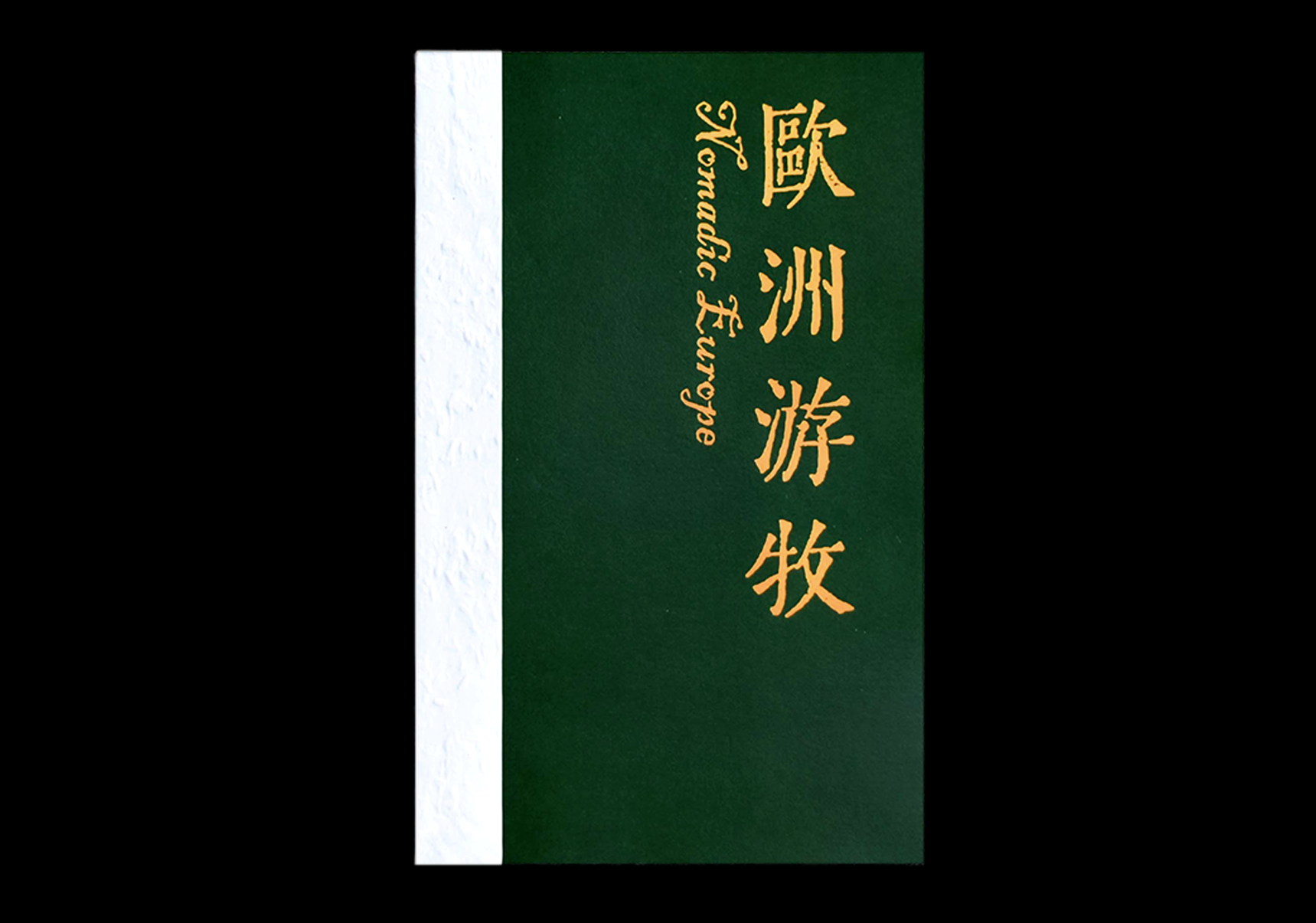
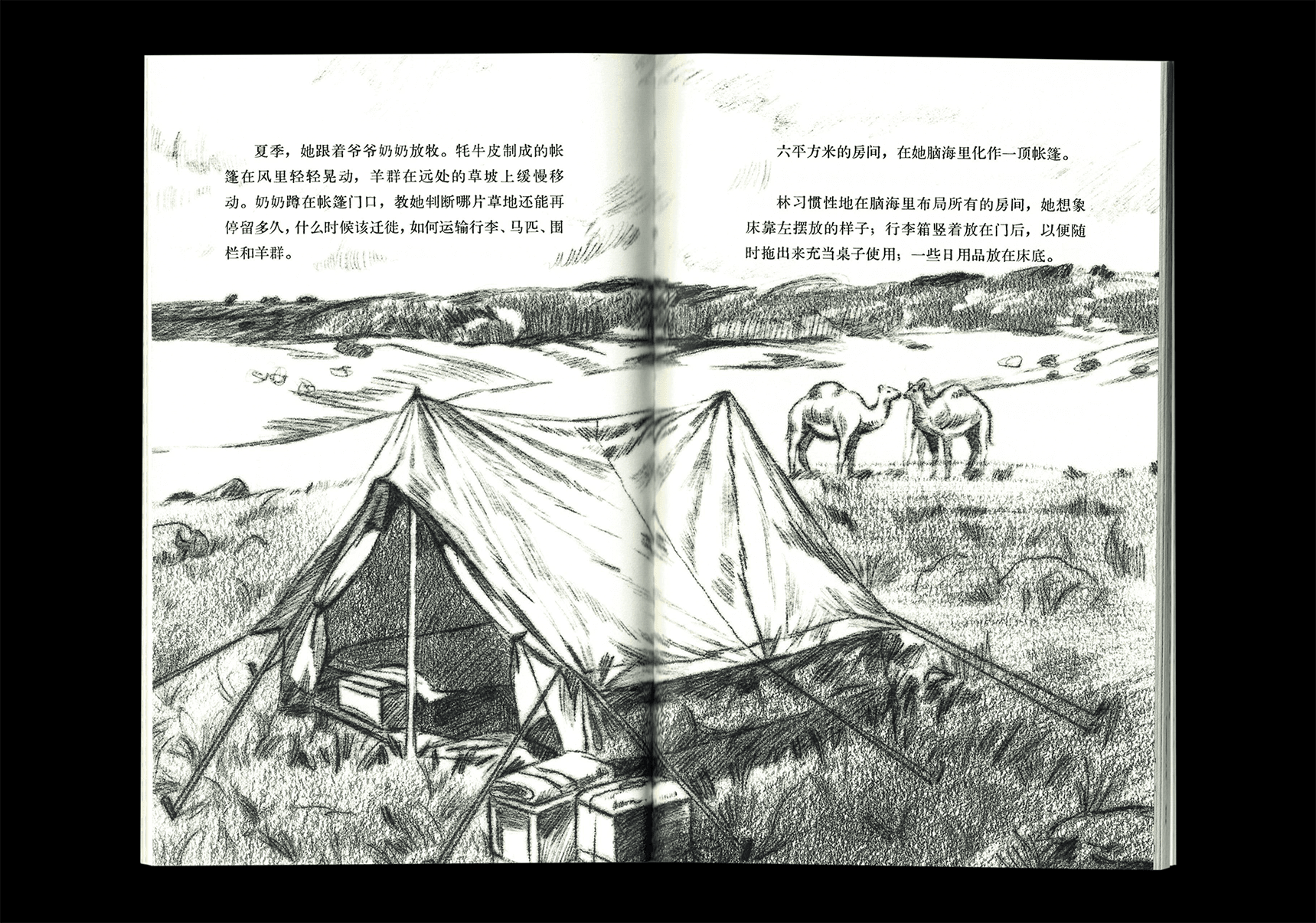
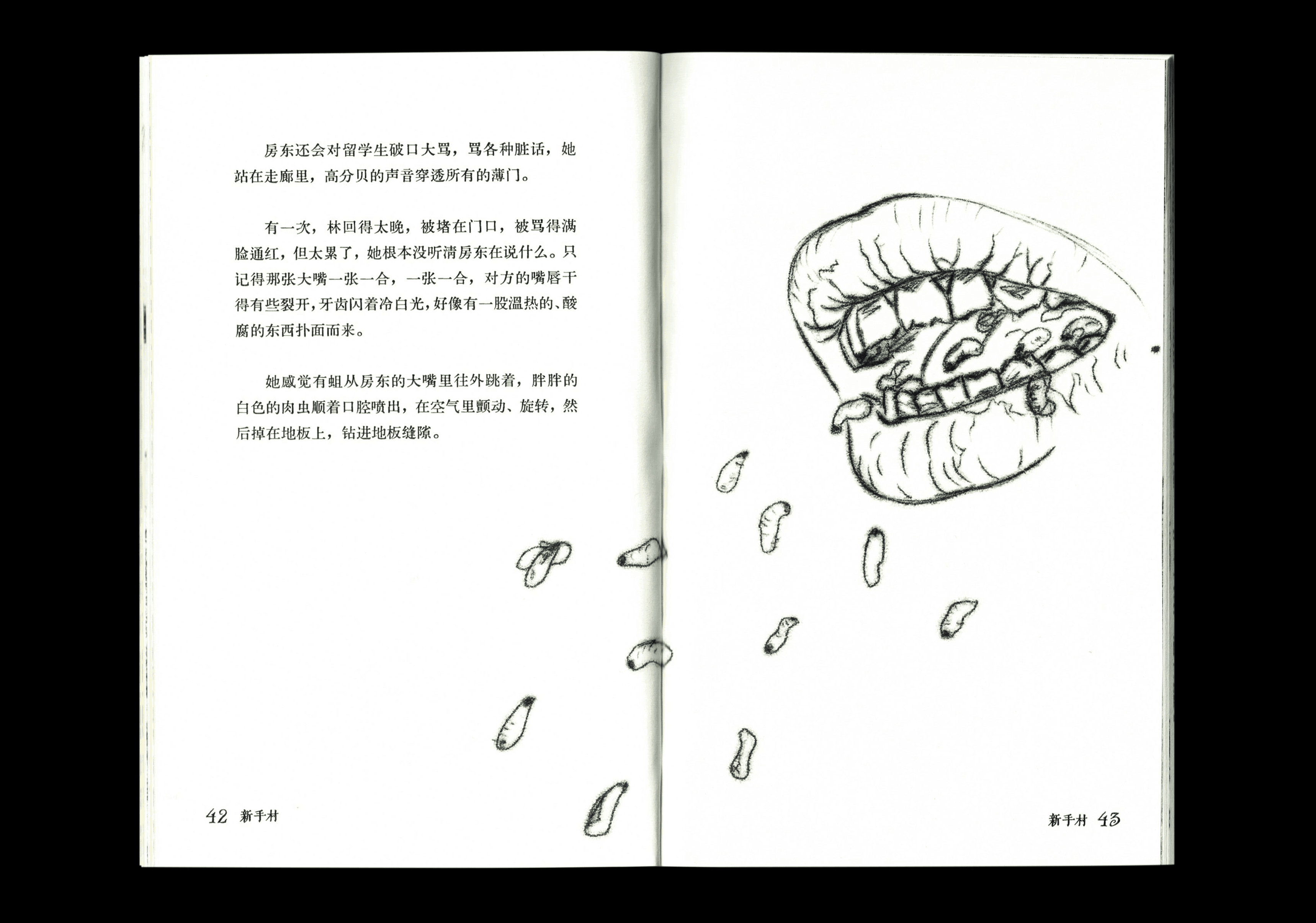
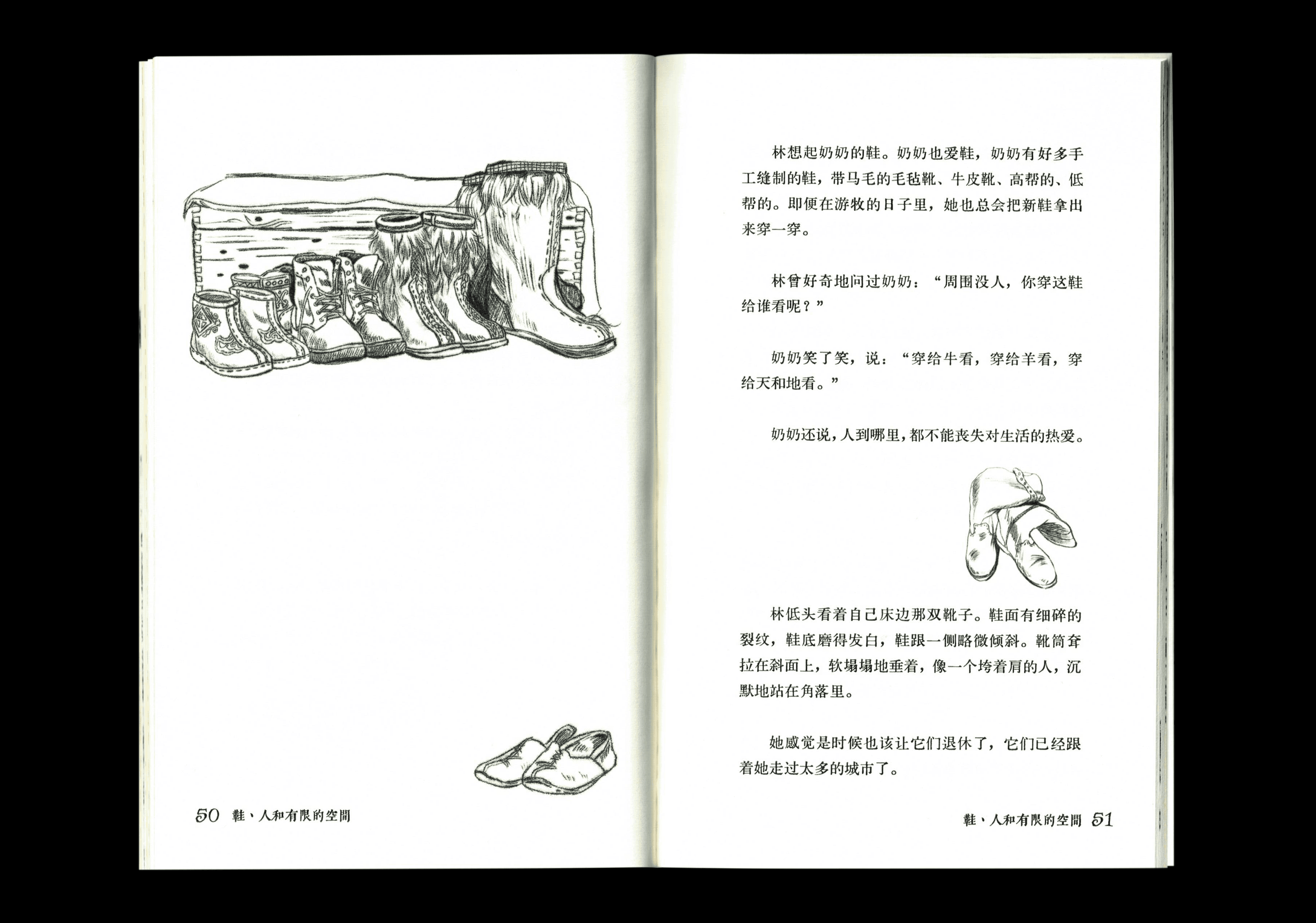
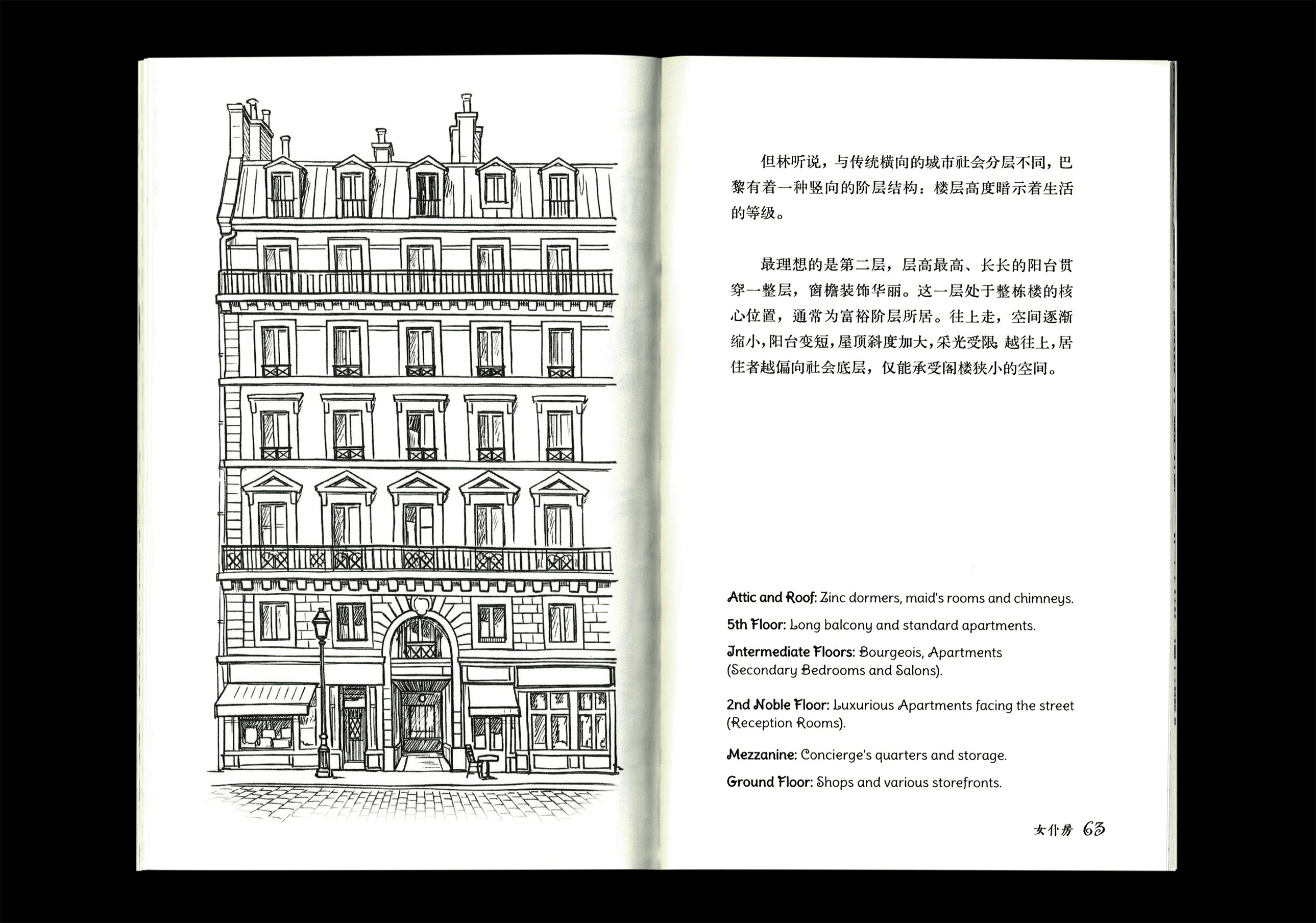
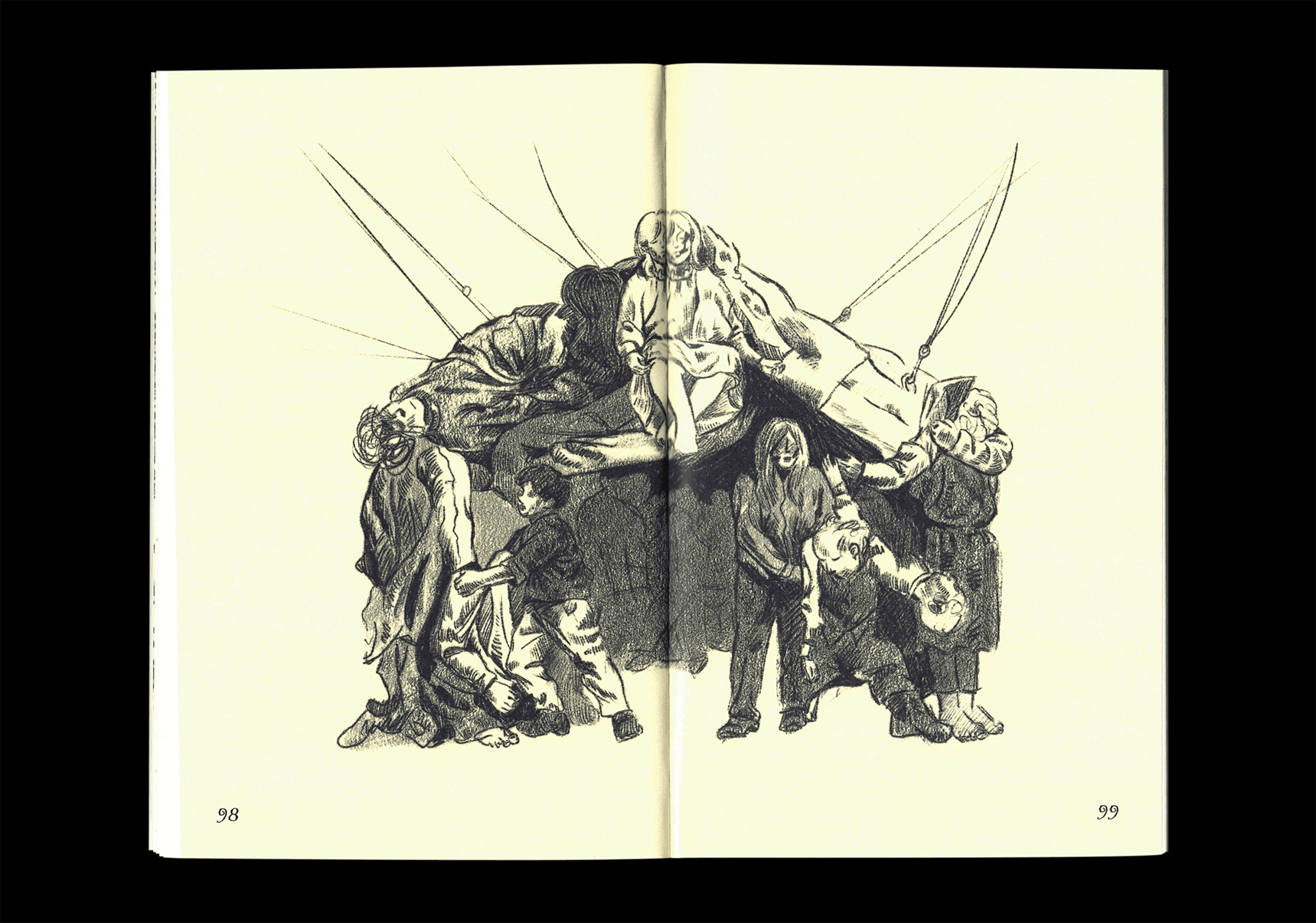
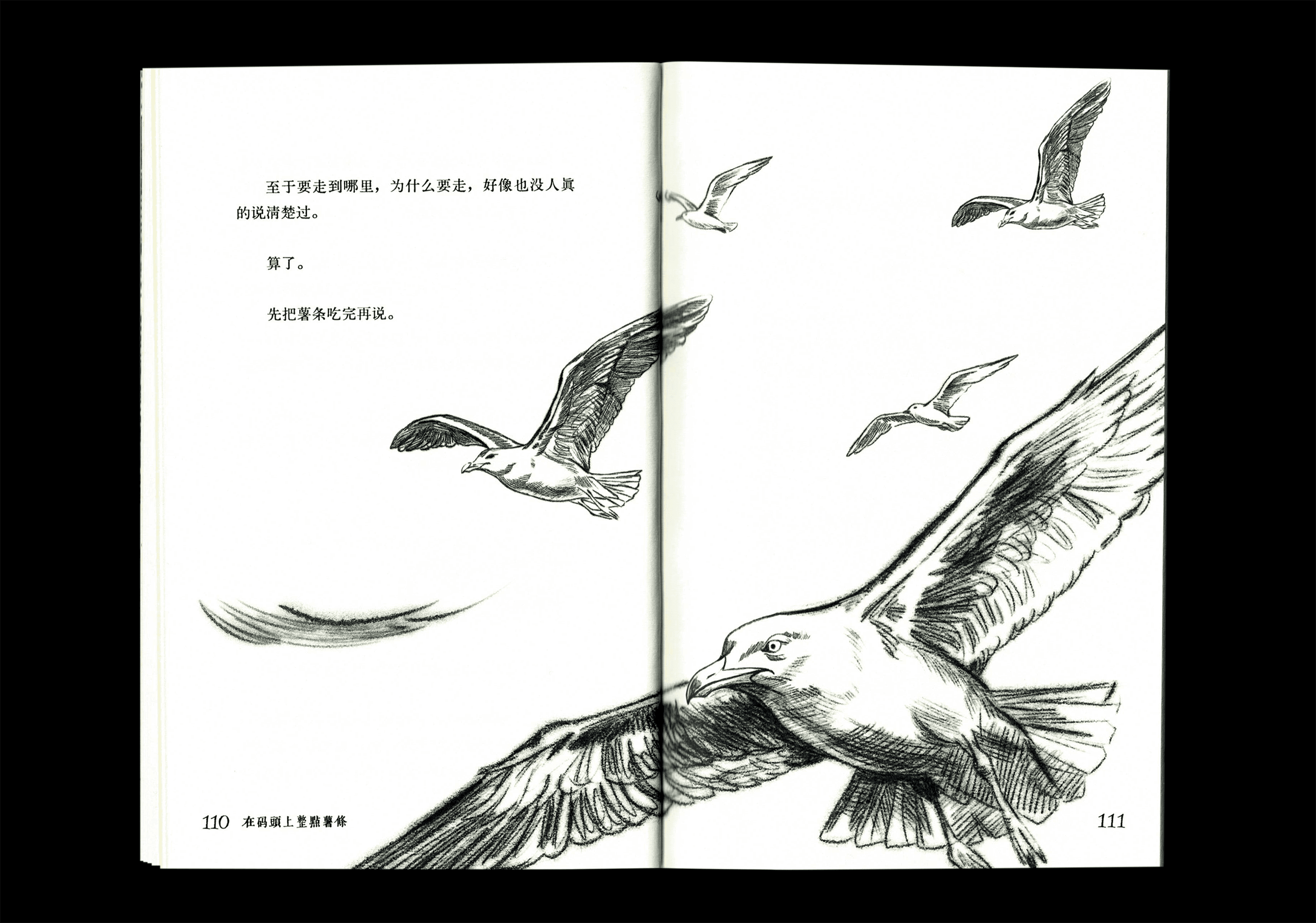
Nomadic Europe tells the story of Lin, a Chinese nomadic girl living in Europe. In the final stages of awaiting the results of her Dutch permanent residency application, she receives a call from her mother that her grandmother, far away on the grasslands, is seriously ill and wants to see her one last time. Returning home means potentially losing the residency status she has worked so hard for over the years, while staying means missing the chance to say goodbye to her loved ones.
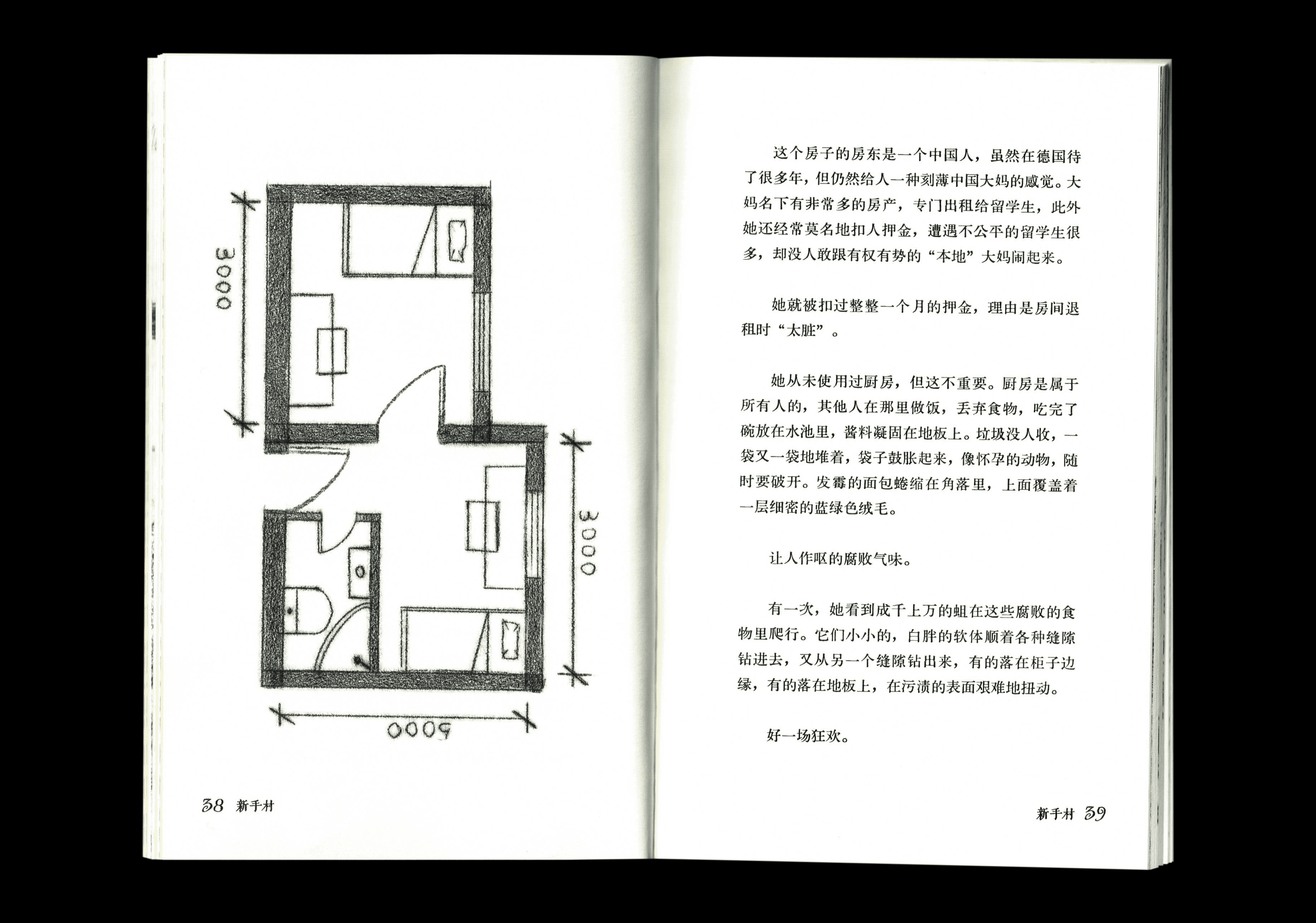
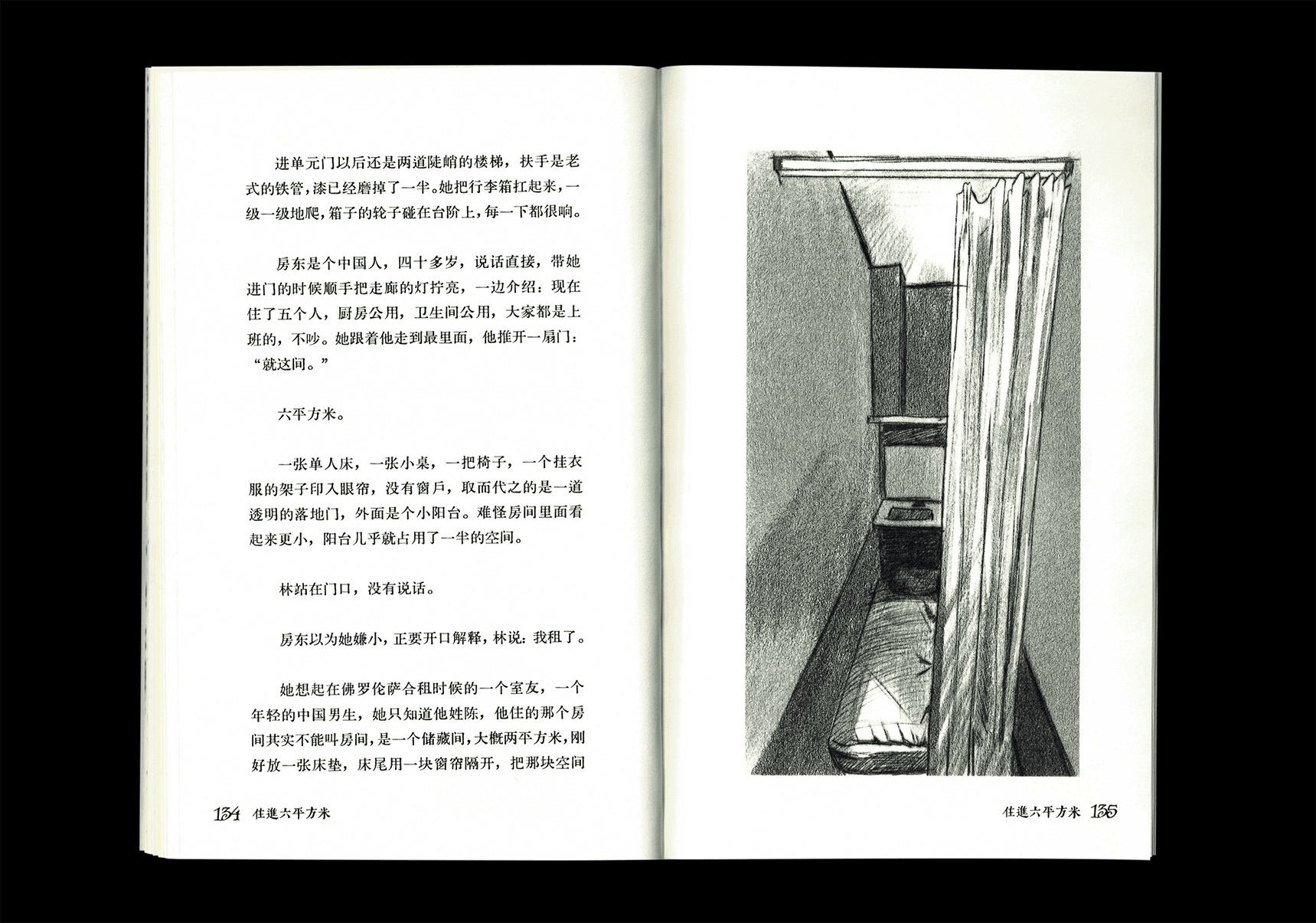
In Europe, many people lead this nomadic life: moving between different cities, settling briefly in unfamiliar apartments, and then continuing their journey. The houses have changed hands many times, but some things have remained the same—narrow staircases, old window frames, and Rauhfaser walls with their grainy texture.
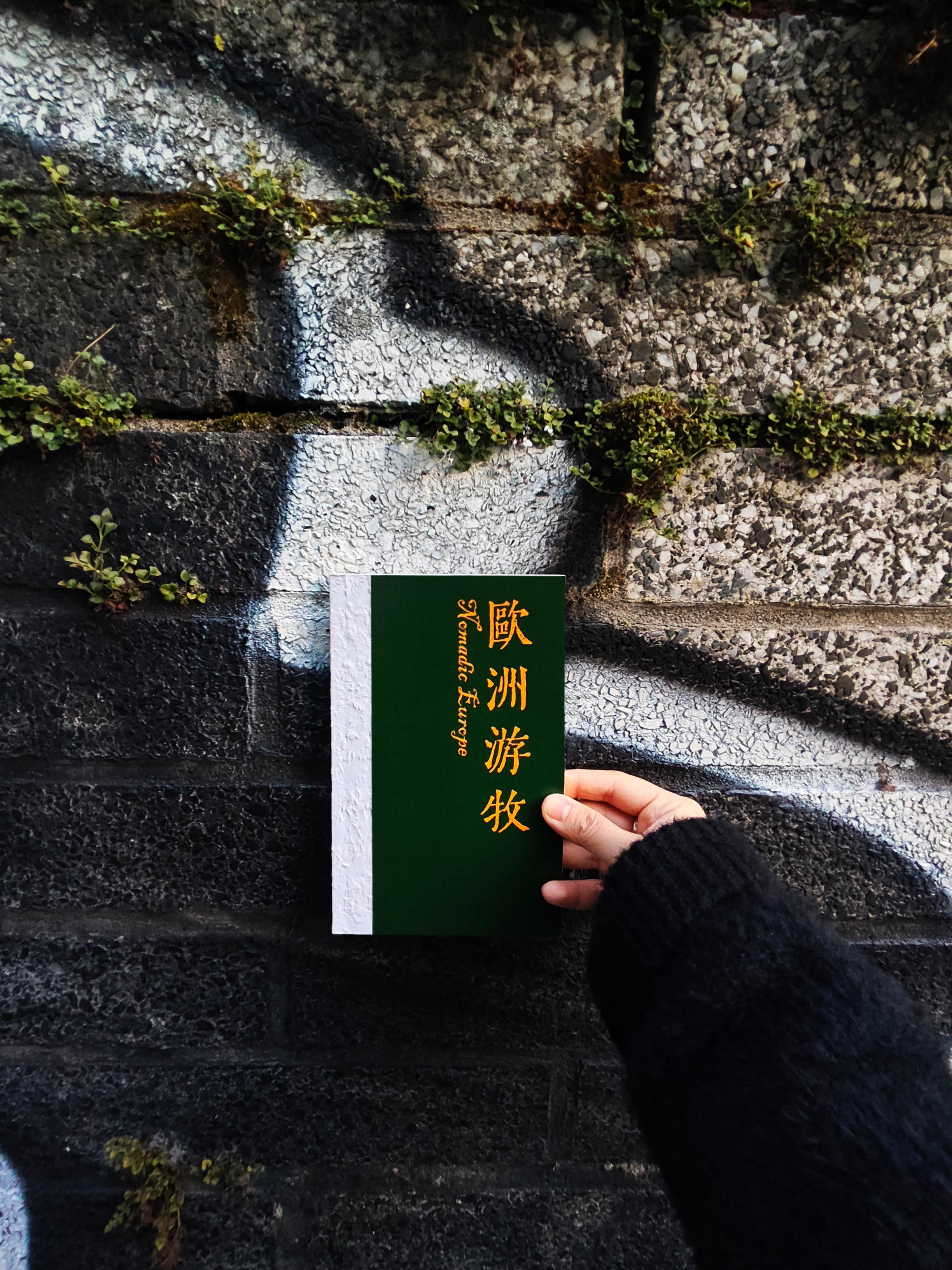
The book's cover uses Rauhfaser wallpaper to simulate the rough texture of walls, allowing readers to experience the surfaces of European rooms as if their fingers were gliding over a familiar yet unfamiliar wall. In a life of constant migration, the wall may be the only thing that remains consistently consistent.
Rauhfaser is a type of wallpaper made from pressed pulp and fine wood fibers, with a slightly rough, granular texture. This wallpaper is commonly found in student dormitories, ordinary residences, and even low-rent housing in Germany, the Netherlands, and Austria, becoming a typical spatial symbol.