GIRLS WEAVING GUNPOWDER
女孩 编织 火药
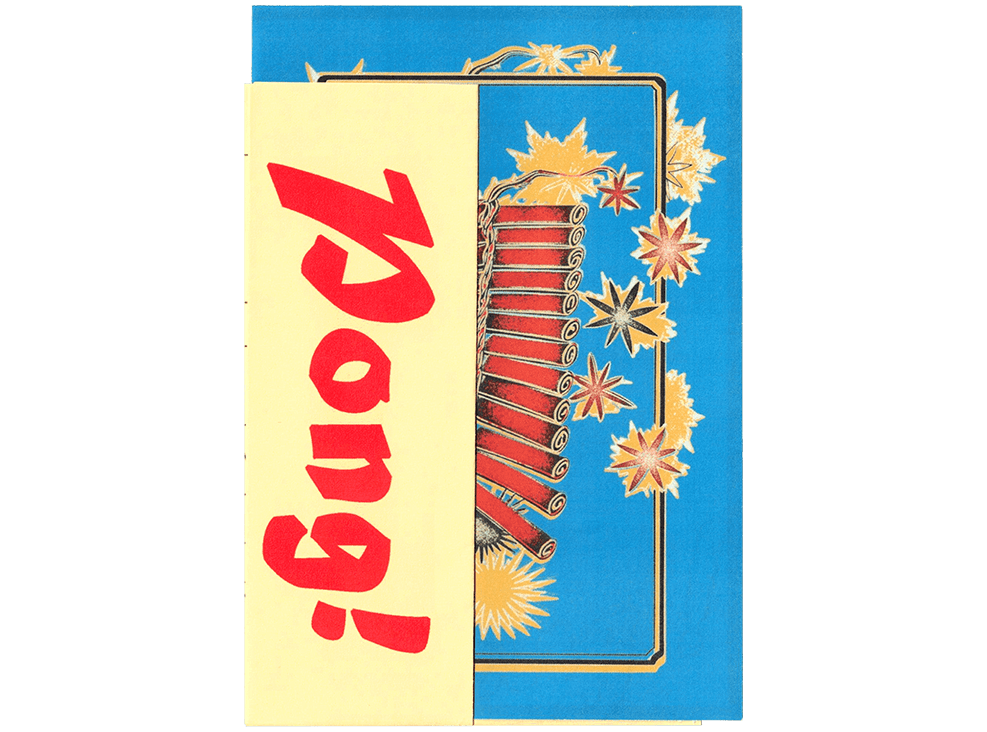
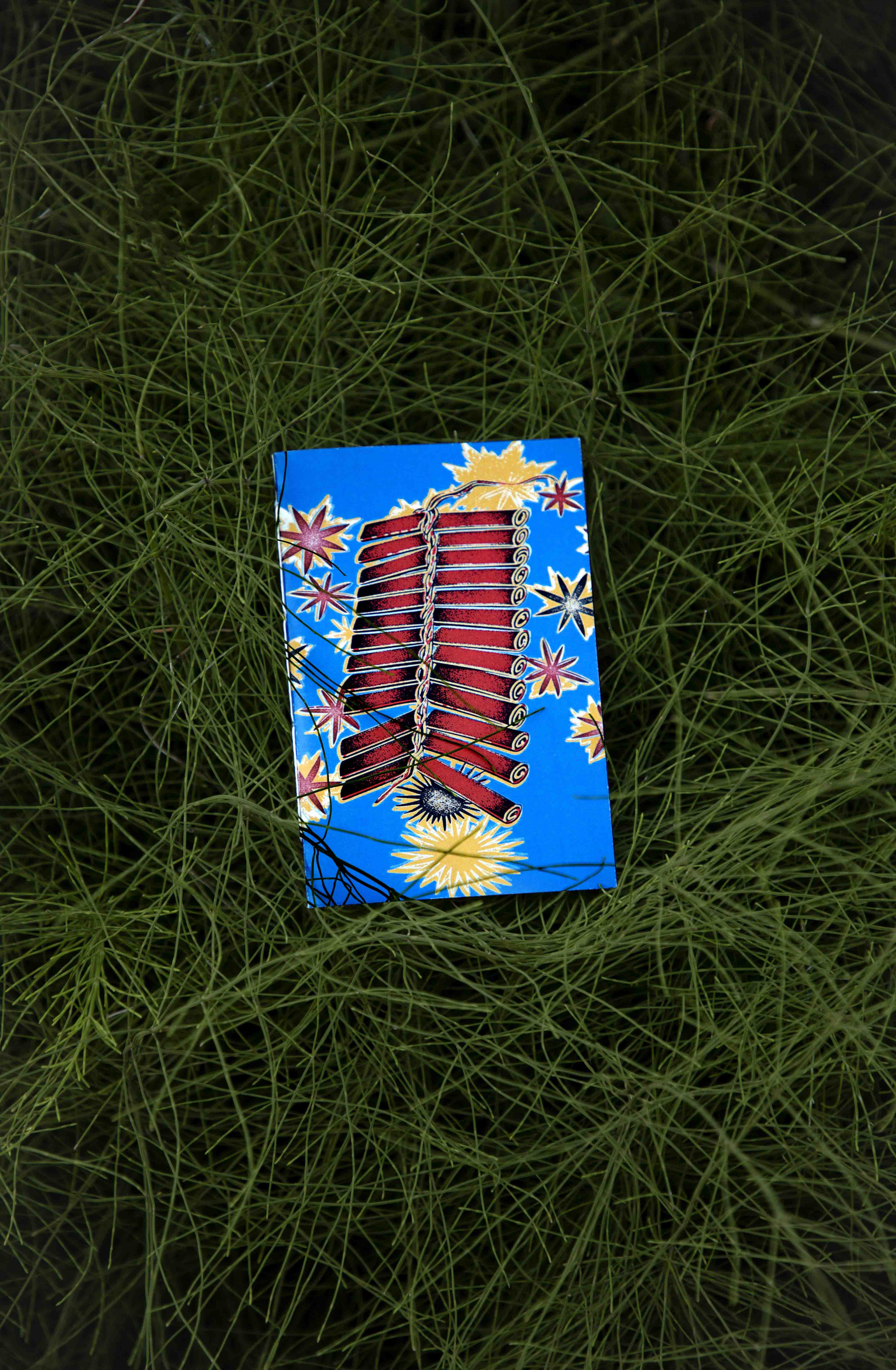
Pong! is a non-fiction commemorating women workers in the fireworks industry.
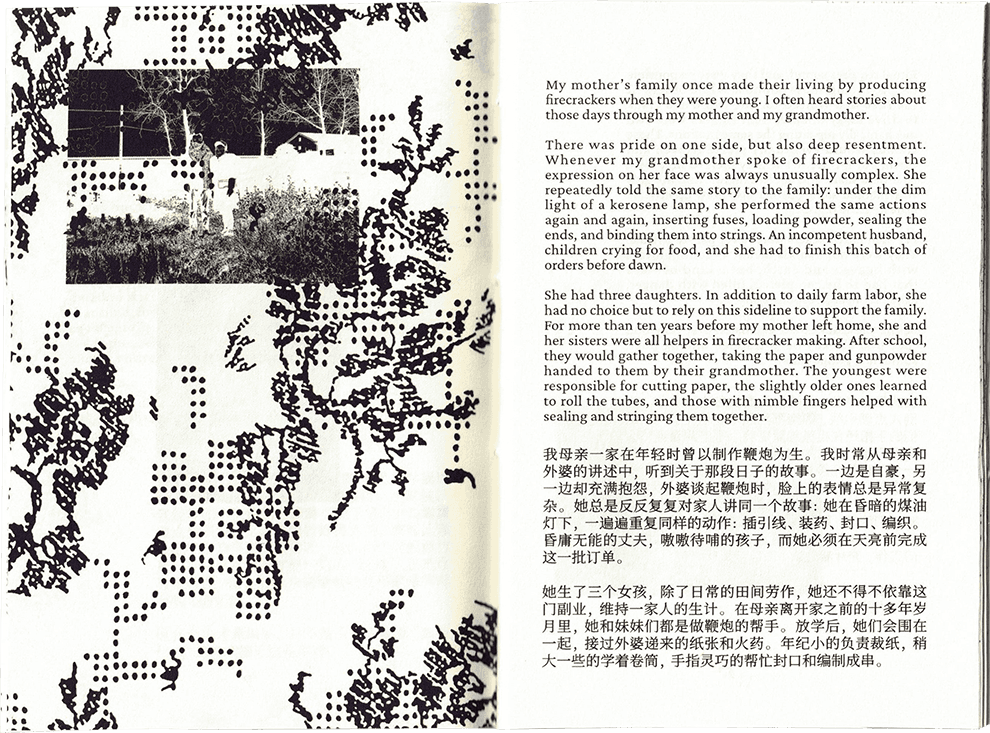
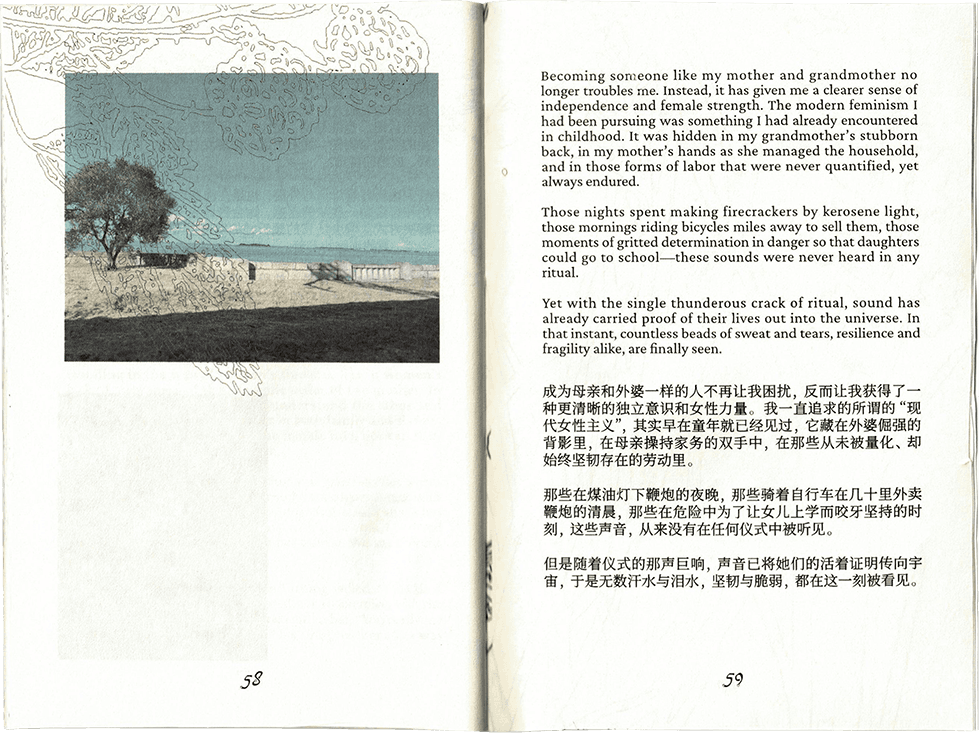
From the perspective of a daughter, I look back on my mother, my grandmother, and my hometown. The forms of women's labor that are often taken for granted but rarely recorded are slow, repetitive, and often unnoticed. Yet they have shaped the texture of women's lives and formed the landscape of my childhood.
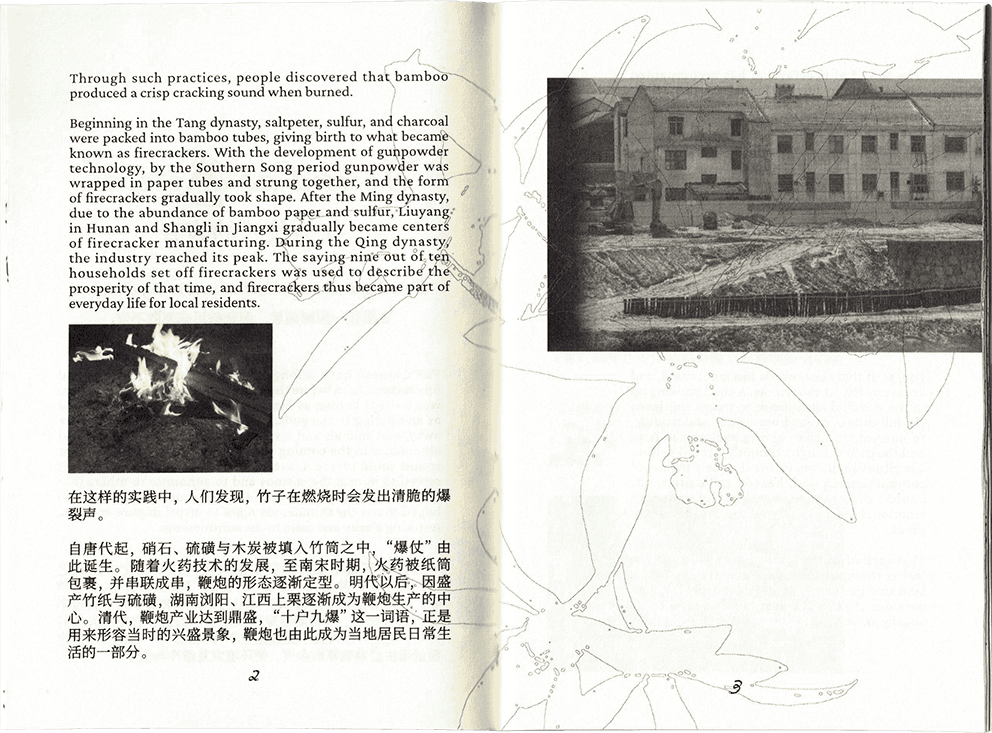
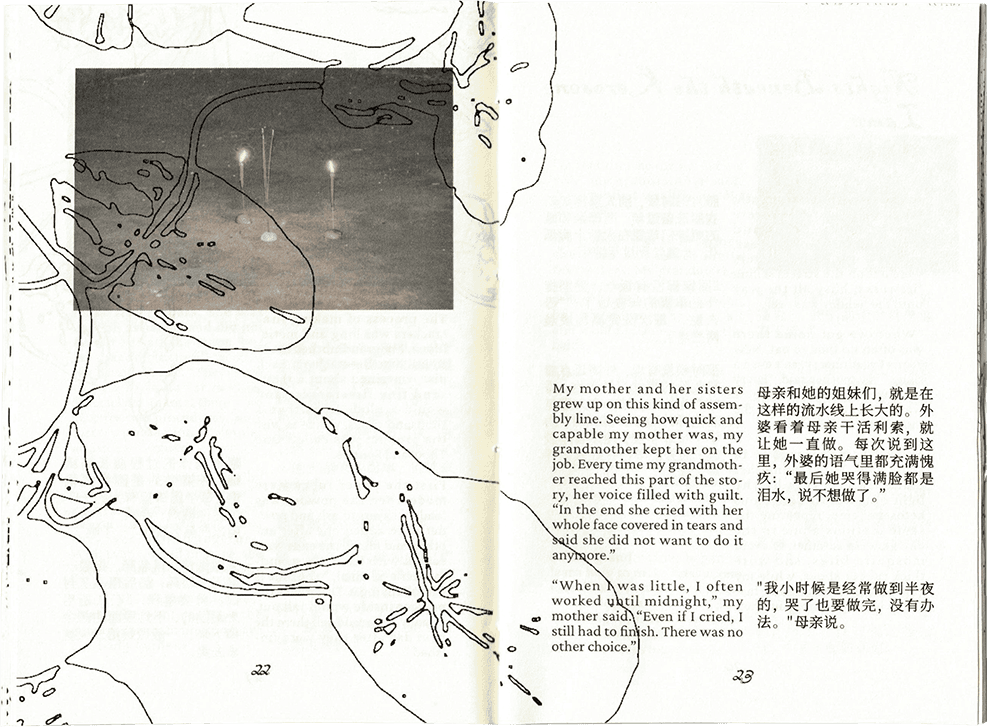
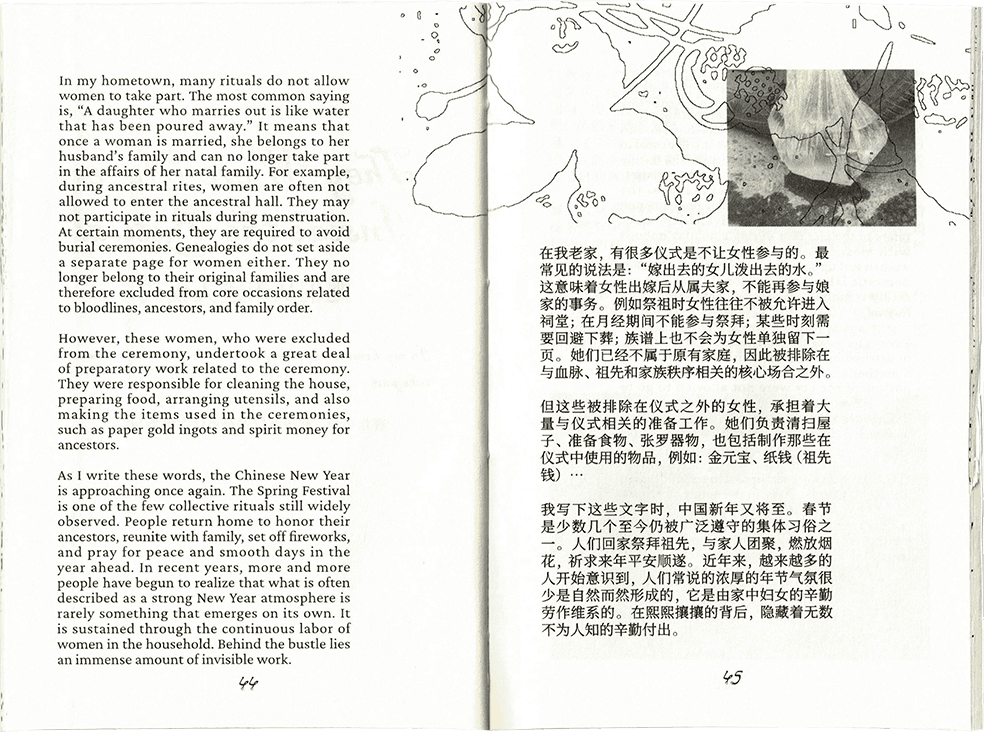
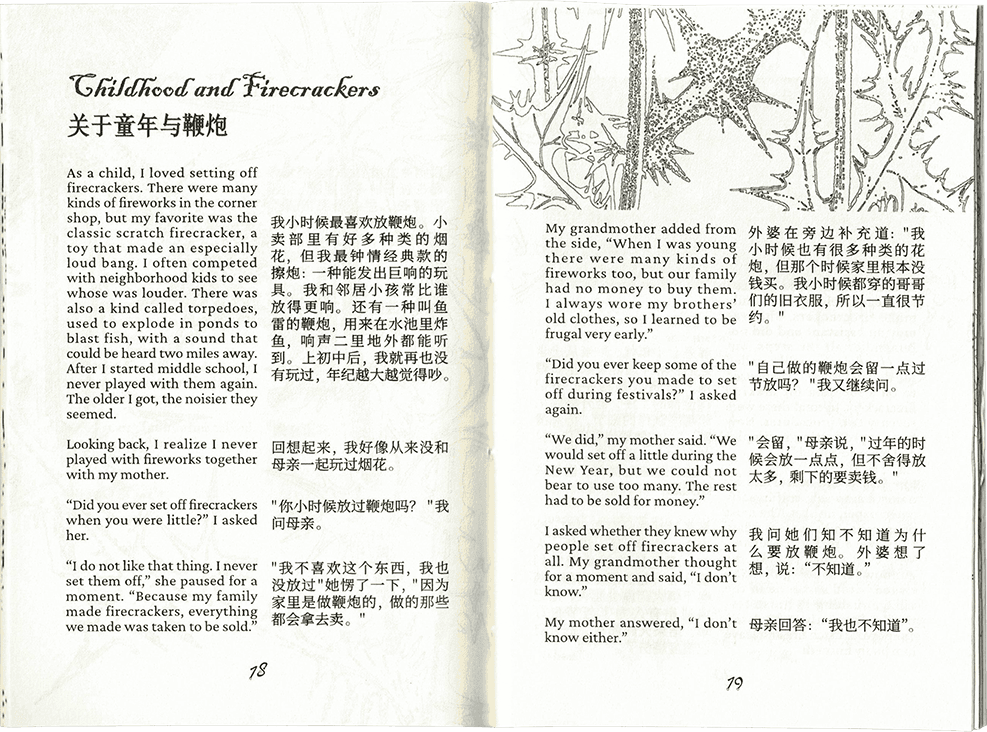
I was born in Hunan, China, a renowned center of fireworks production. Around 60% of the world’s fireworks are produced here. In China, fireworks are rituals of sound. People believe that the sound of exploding fireworks can communicate with heaven, earth, and the divine, carrying blessings, wishes, and farewells through sound. My mother and grandmother also spent many years making fireworks at home. As a child, I often heard them talk about their difficult experiences of labor. However, at that time, my relationship with them was tense, I didn’t truly understand the meaning behind these stories.
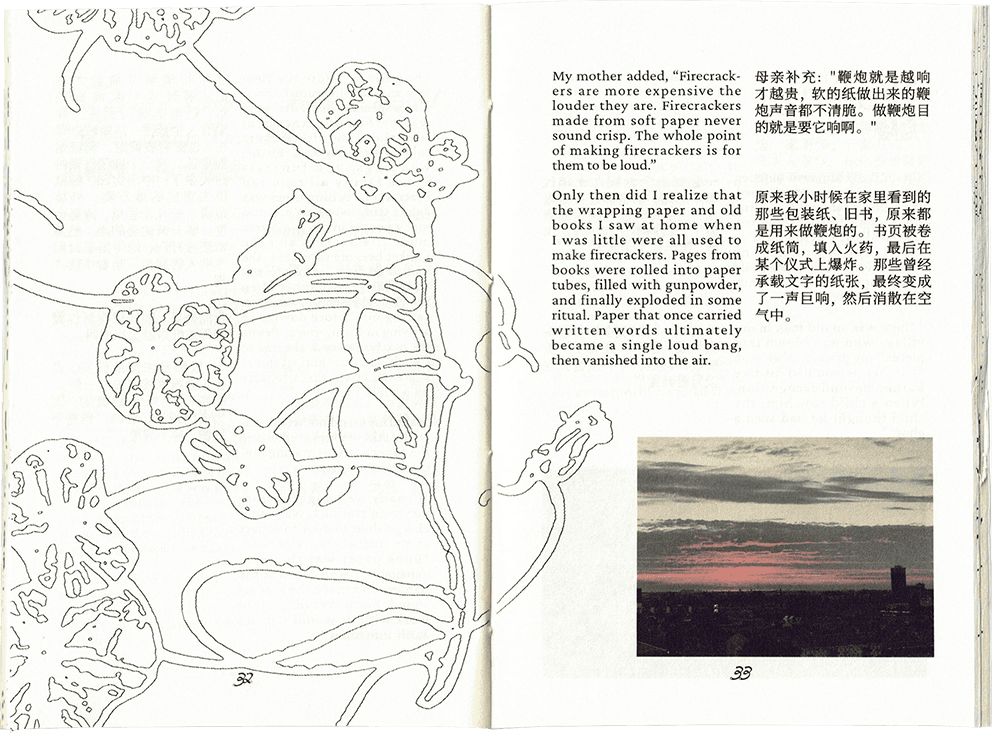
Now, my grandmother is nearly eighty years old, she can still clearly remember the seventy-two steps of making fireworks. She told me that in the past, the best material for making fireworks was paper from old books, so villagers often collected large quantities of old books and reprocessed the paper into parts of fireworks. Today, I work in the publishing industry, where paper has also become an important medium for my ongoing exploration. This circulation of material across generations gives me a sense of a strange and profound connection: paper that was once drawn into fireworks and burned into sound has now become a carrier for recording and telling these women’s stories.
How can women achieve true freedom through inheriting and understanding their mothers’ lives? Combining my personal experience with feminist theory, I try to re-examine a social order that has long been obscured: women’s labor is not an innate attribute, but a form of labor that is continually shaped, transmitted, and sustained through the combined forces of history, social structures, and emotional bonds.
When a girl stands between weaving and gunpowder, she finally begins to see where her roots lie.